Blog
16 November 2026
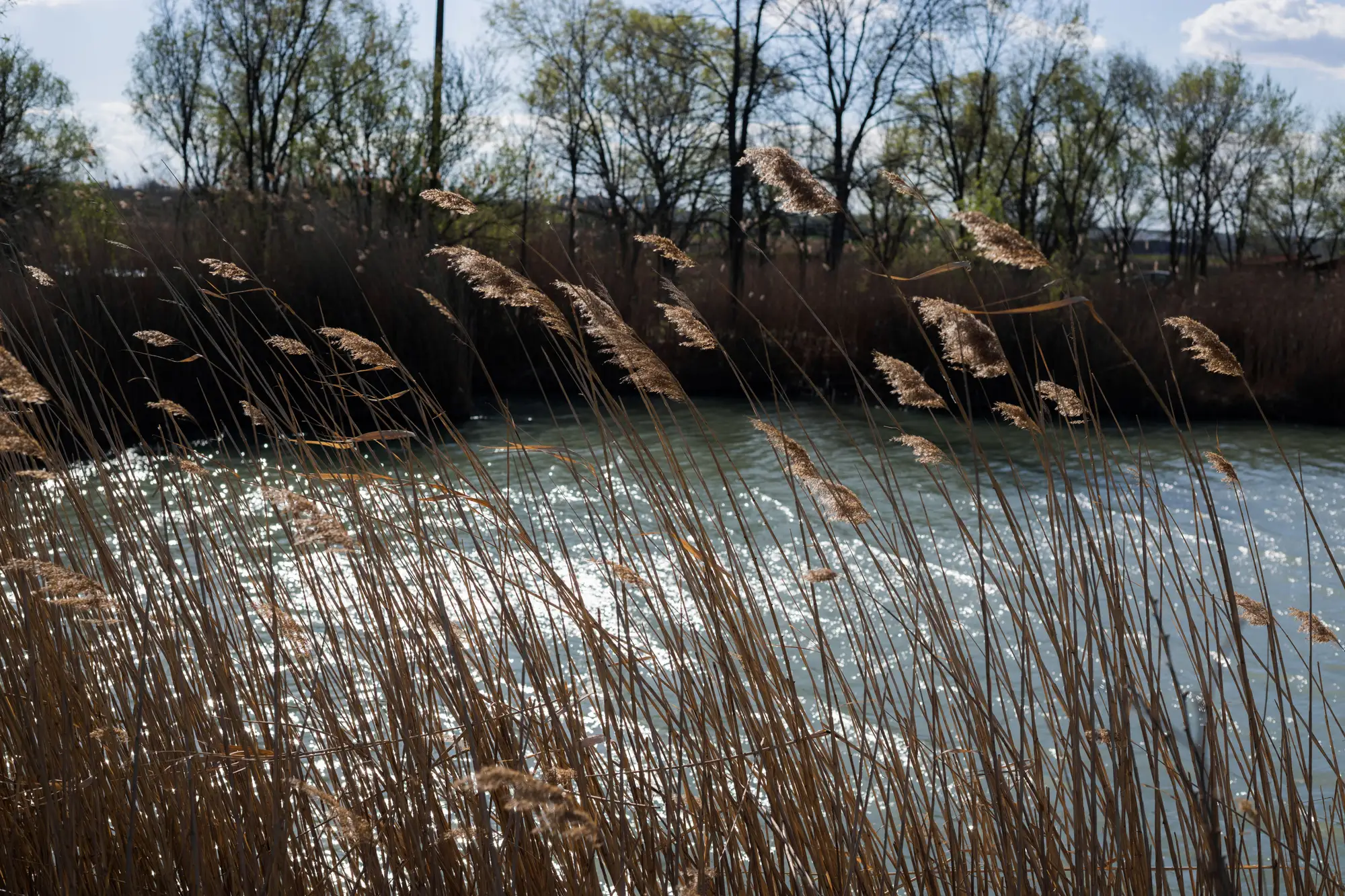 Field notes: the tributary we almost wrote off, and the flood that proved it wrong
A low-priority tributary got cut from the boom rotation. One spring flood showed why static priority lists age faster than anyone admits.
16 November 2026
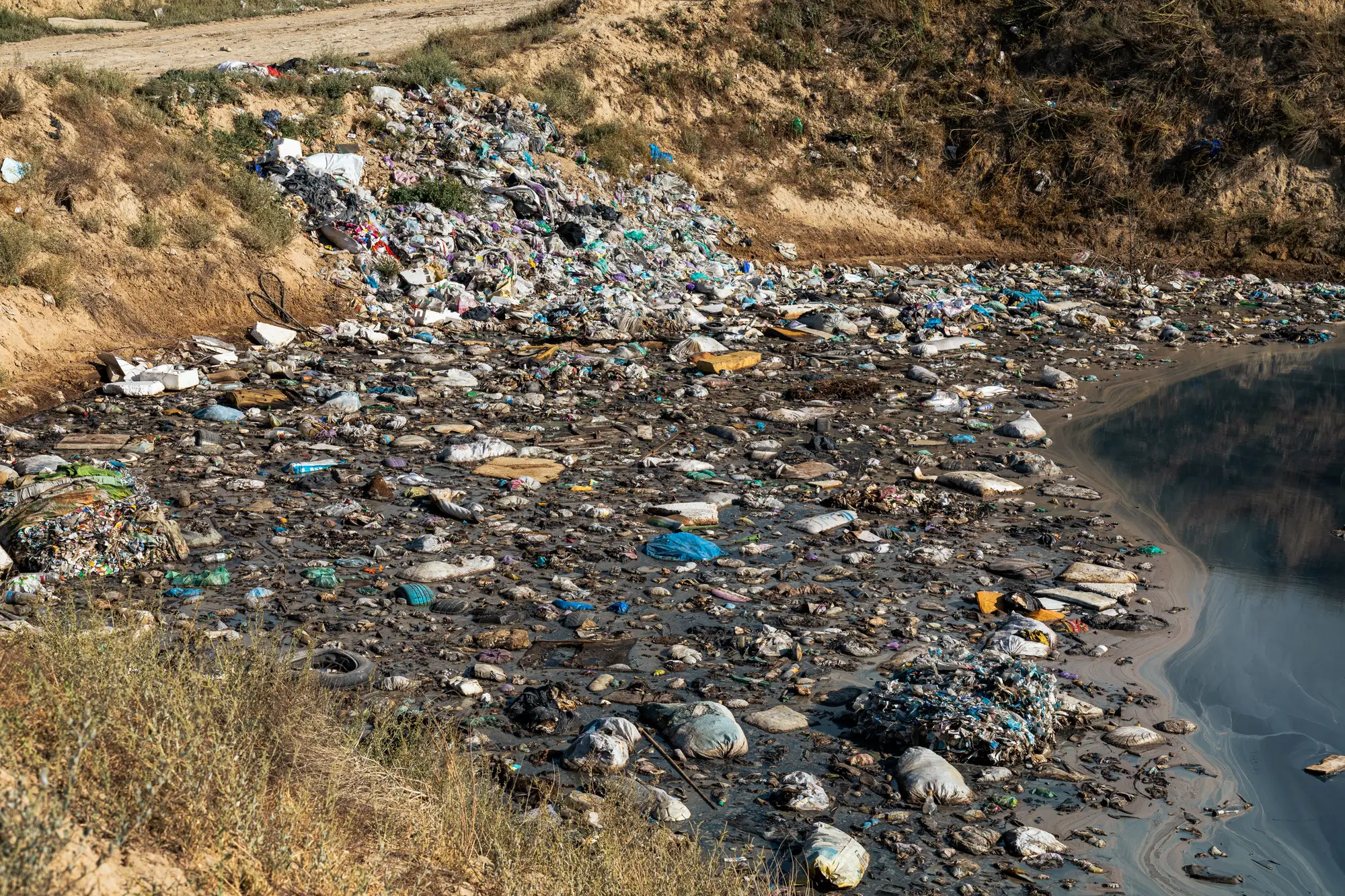 Which tributary gets the first litter boom on a one-boom budget
A method for ranking tributaries by where plastic keeps collecting, so a one-boom budget goes to the right confluence.
9 November 2026
 How to calculate boom deflection angle for river current speed
A working method for setting litter boom angle of deployment against river current speed, and why angle alone won't tell you where to anchor it.
9 November 2026
 What is residence time, and why it decides where river plastic collects
Residence time explains why plastic piles up in some bends and backwaters, not others. Here's how it works and why it matters for siting a boom.
2 November 2026
Field notes: the month the pass finally agreed with the guy who walks the bankA field-notes dispatch on the month a monthly satellite flag and a bankwalker's own notebook landed on the same bend of river, for once.
2 November 2026
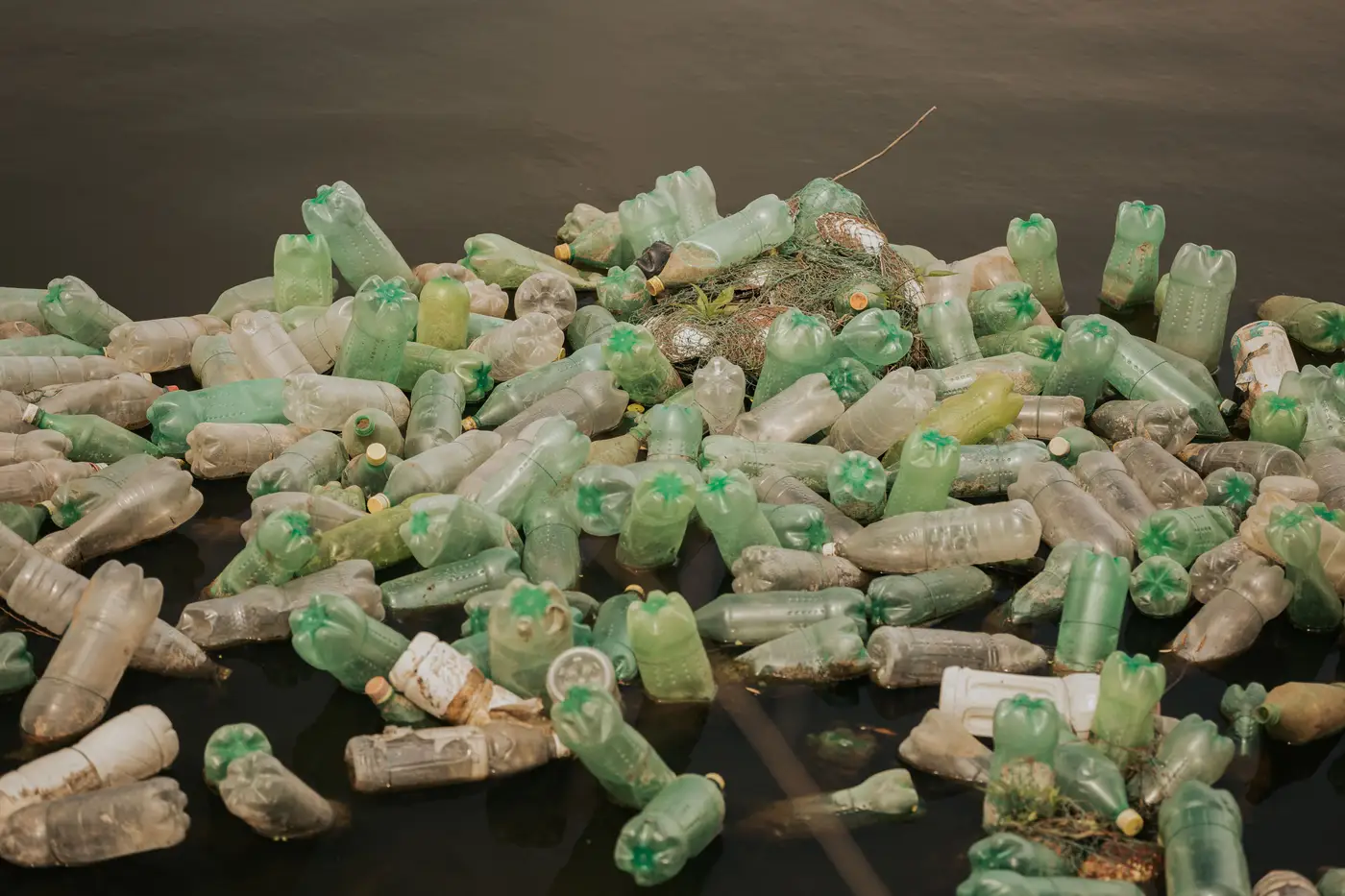 Seasonal pulse or persistent zone: how to read a debris buildup
How to tell a one-off storm flush from a spot that collects litter year-round, and what that means for where you leave the boom.
26 October 2026
Timing a litter boom deployment around high flow seasonWhen to set a litter boom ahead of seasonal high flow, how debris loading shifts with discharge, and what gets missed if timing is off.
26 October 2026
What is a debris anchor point, and why boom siting lives or dies on itA plain explainer on debris anchor points and boom anchor points, and why picking the right shoreline anchoring spot matters more than the boom itself.
19 October 2026
Field notes: the bend that looked clean from the bridge and wasn'tA ground-truth walk on a river bend that looked clear from the road, and the windrow of debris sitting in the eddy underneath.
19 October 2026
 How to tell floating plastic from algae mats in satellite imagery
Algae mats and floating plastic look alike in plain satellite imagery. Here's what separates them in multispectral bands, and why it matters for siting a boom.
14 October 2026
What counts as macroplastic in satellite-based river debris monitoringWhat size of river debris a satellite can flag, and why macroplastic and microplastic need different monitoring methods entirely.
14 October 2026
What is the thalweg, and why it matters for siting a litter boomThe thalweg is the deepest, fastest line down a river channel. It drives where floating plastic collects, and where a boom catches it.
13 October 2026
How to choose litter boom mesh size for different debris typesHow to match litter boom skirt mesh opening to your debris mix, from bottles to microplastics, without choking the boom on organics.
13 October 2026
Gross pollutant trap vs. litter boom: what's the difference?A field explanation of gross pollutant traps and litter booms, where each fits in a stormwater and river cleanup network, and how to choose between them.
7 October 2026
How to size litter boom skirt depth for your riverA field guide to setting litter boom skirt depth and freeboard based on what's floating versus what's sinking at your site.
7 October 2026
Inside bend vs outside bend: where river debris actually collectsA look at meander hydrology and why floating plastic doesn't collect where the sediment textbook says it should.
7 October 2026
Trash wheel vs. litter boom: which fits your river mouthA side-by-side look at solar trash wheels and floating booms for river mouth cleanup, and why siting matters more than the hardware you pick.
7 October 2026
What is a debris eddy, and why does plastic collect there?What a debris eddy is, how recirculating current traps floating plastic in slack water, and why these spots shift over a season.