16 November 2026
Which tributary gets the first litter boom on a one-boom budget
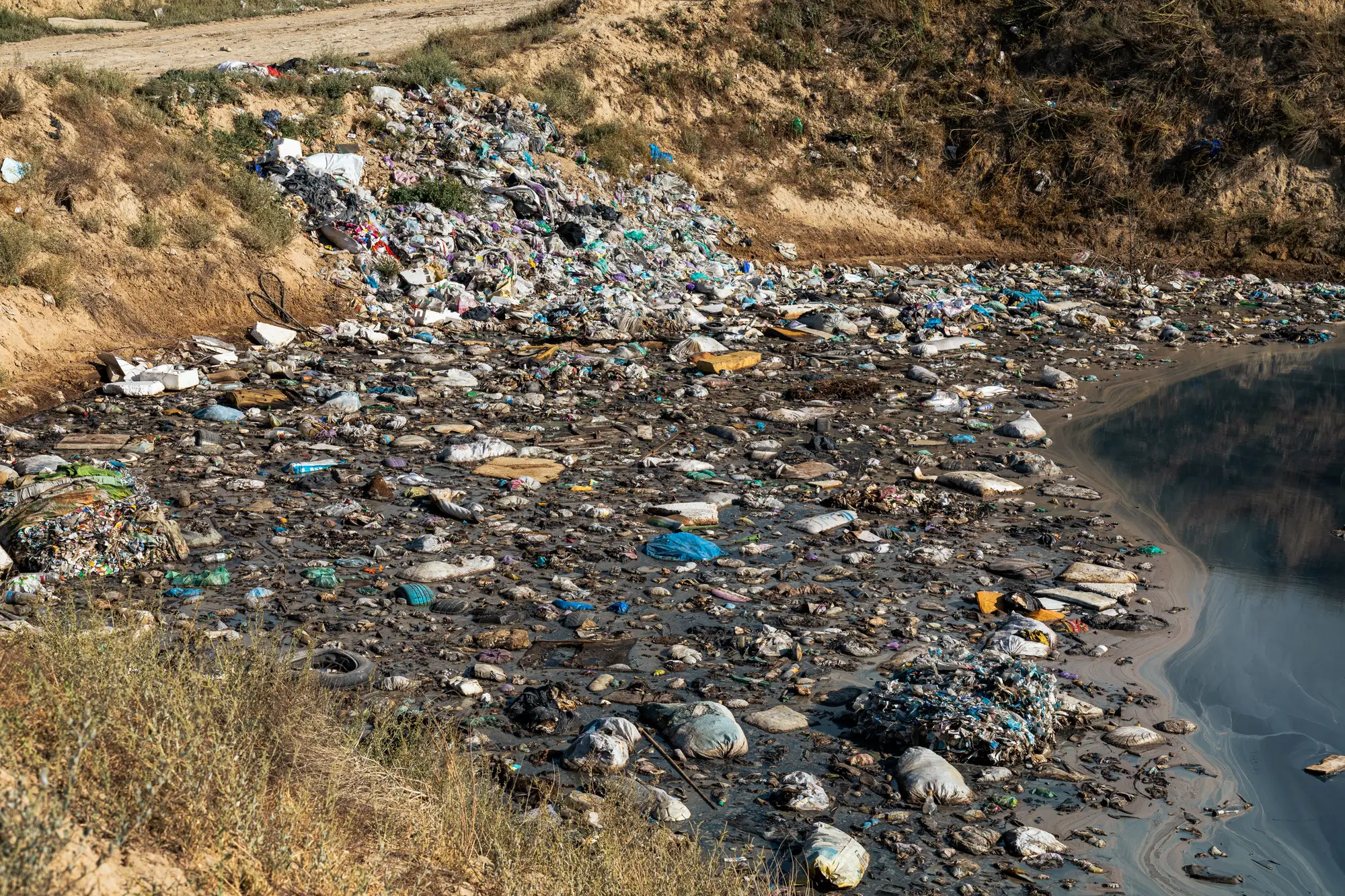
You've got budget for one litter boom. You've got three, four, maybe six tributaries feeding into the mainstem, all of them visibly dirty after a rain event, and a board or a grant officer asking which one gets the money first. This is the call every cleanup programme coordinator ends up making with less information than they'd like.
Most programmes default to the tributary with the loudest complaint volume, or the one closest to the office, or wherever last year's volunteer day happened to land. None of those are wrong exactly, but none of them tell you where plastic is piling up right now.
Why "worst-looking" isn't the same as "worst-accumulating"
A tributary can look bad on a site visit and still not be where the real volume collects. Debris gets pushed around by flow, wind, and channel geometry. A bend that's choked with bottles this week might be clear next week because the flow shifted, while a quieter-looking stretch further downstream is where everything actually settles into eddies and backwaters month after month. Walking the bank once, or twice a year if you're lucky, catches a snapshot. It doesn't catch the pattern.
That matters because a boom is a fixed piece of infrastructure: wherever it goes, it stays for months, so the site has to earn that commitment. If the site you pick only picks up debris during flood pulses and sits empty the rest of the year, that's a boom doing a fraction of the work it could be doing somewhere else.
A simple way to compare tributaries before you commit
When you're down to a shortlist, rank tributaries by accumulation over time rather than by condition on the day someone drove out to look. A few things worth lining up side by side for each candidate:
- How often debris is visibly collecting at a given bend or confluence, across several months, not one visit
- Whether the accumulation point sits somewhere a boom could physically be installed and serviced
- How close that point is to a road or landing where a crew can pull debris out
- What upstream land use is feeding it, since a tributary draining an industrial corridor behaves differently season to season than one draining mostly forest
None of this requires new equipment on your end. It requires a read on the river that covers more than the days your team happens to be on site. That's the gap a monthly flag from satellite imagery fills: a way to see which stretch keeps showing floating plastic month after month, before you commit a boom to it.
What this looks like for a one-boom budget
Say you've got three tributaries on the list. The first gets visibly trashy after every storm but clears fast. The second looks moderate most of the time but shows a consistent cluster at the same bend, month after month. The third sits upstream of a landfill, and everyone assumes it's the problem, but nobody has tracked it across a season.
The tributary worth the boom is usually the second one: the one with a repeat pattern at a fixed location, rather than the one that had the single worst day. A monthly read across all three, even a rough one, turns "everyone assumes" into something you can point to when you're defending the choice to a funder.
Documenting the decision matters as much as making it
Grant reporting and board approvals both want a reason, not just a result. "We picked the confluence where debris was flagged accumulating across repeat passes" holds up better in a report than "it looked the worst when we drove out." If you ever need to justify moving the boom later, having a record of where accumulation was tracked, month to month, gives you something to compare the new site against.
Plastic Accumulation flags where floating debris is collecting along your stretch of river each month, giving the call on which tributary gets the first boom a basis in where plastic keeps showing up rather than where the last site visit happened to land. If you're trying to settle a one-boom budget argument with more than a gut feeling, see how the monthly accumulation read works.